
This blog will focus primarily on my adventures in Idaho, although I may occasionally mention something intriguing I’ve discovered in Oregon or Washington. Most of the photographs were taken by me, but I have also included photographs taken by other photographers that have kindly granted permission to include their photographs as well. Some of the posts include historical photos that I have found online during my research. Uncredited photos were taken by me. Post categories and tags are shown on the right side of every page.
What you won’t find in this blog are recommendations for restaurants, motels, or tourist attractions. There are plenty of sources for that kind of information. Instead, I’ll share photographs of lesser-known places like abandoned mines, railroads, schools, businesses, and, of course, ghost towns. This blog isn’t just a collection of photos and travel notes from road trips. I’ve taken the time to research many of the places I’ve visited, and I’ll include historical photographs I’ve been able to find as well.

Photo credit: Timothy Devinney via Flickr
It’s fascinating that so many people are drawn to abandoned places. After all, what’s so captivating about a dilapidated log cabin that hasn’t housed a human being in over 100 years, or a half-collapsed gold mine where miners toiled for years in candlelit tunnels? Perhaps the answer lies in empathy—a fundamental human trait that allows us to connect with the experiences of others, especially those who’ve faced hardship.
We all have an innate desire to feel deeply, which is why we watch movies, listen to music, admire artistic masterpieces, and (for some of us) read romantic novels. Walking among the ruins of a long-abandoned mining town, far from civilization, brings this experience of empathy to a whole new level. I think of it as “historical empathy.”
Historical empathy is what you feel when you walk through the same doorway, stand in the same room, or peer into the same mine shaft as people did long ago. The only barrier is time. You can see what they saw, touch what they touched, smell what they smelled, and, in some cases, hear what they heard. In those moments, you can almost feel what it was like to be them. That is historical empathy.
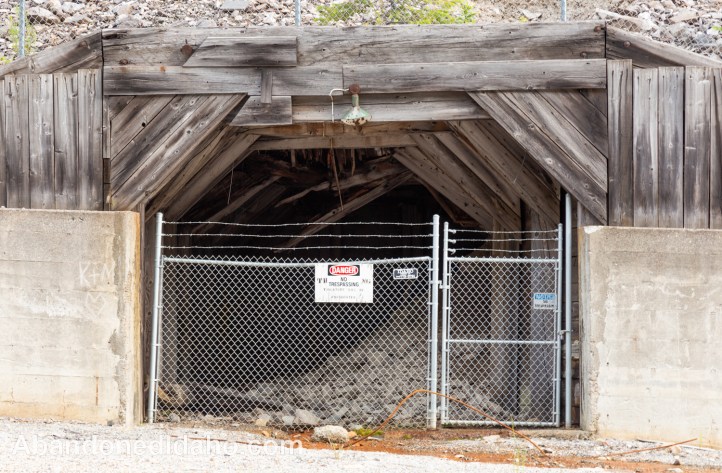
The next best thing to experiencing historical empathy firsthand is reading about it from someone who has. That’s what I and other contributors to this blog aim to share. If you’re inspired, you can visit many of these places yourself. I don’t intend to keep their locations a secret. However, please note that some sites are on private property and require the owner’s permission to access. Always respect “No Trespassing” and “Keep Out” signs.

Photo credit: Michael Maze
While some locations are easy to reach, others require a high-clearance vehicle and a willingness to navigate rugged dirt roads through the mountains. To reach the Adelmann Mine, as shown here, requires you to complete a 4 mile long hike up a steep mountain side. These adventures aren’t for everyone, but for those who are so inclined, they can be an incredibly rewarding experience.
You can leave a comment by scrolling down to the very bottom of this post to where you see “Leave a comment“. Please subscribe to our blog if you would like to be notified of new posts and/or new comments.

 Abandoned Idaho